kako Commuter Shoes for Long Standing
kako Commuter Shoes for Long Standing
kako Commuter Shoes for Long Standing: How to Choose Based on Heel Lock and Lateral Stability
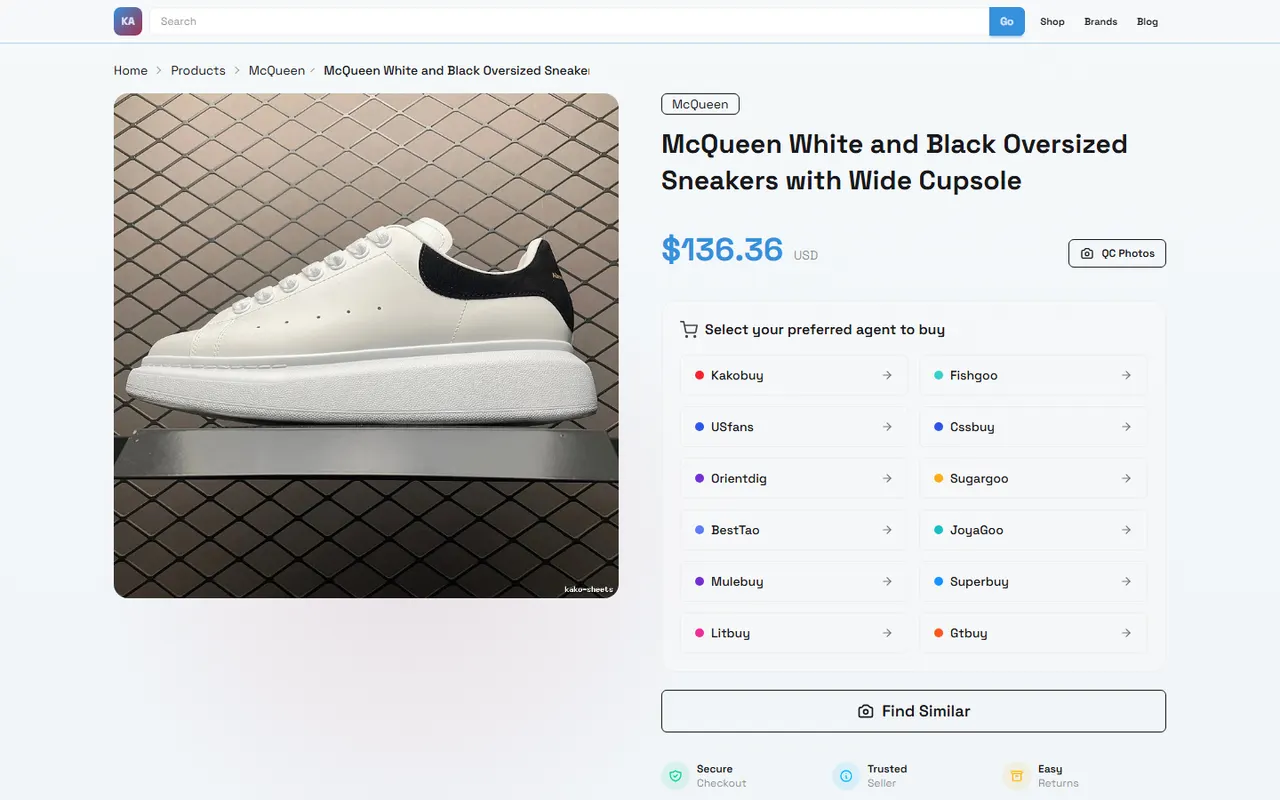
For long-standing commutes, the key is not simply thicker soles, but whether the heel can remain stable, how easily the sole platform wobbles side-to-side, and whether the upper provides the right amount of lockdown between prolonged standing and short-distance walking.
This article is for people who need to stand while waiting for transportation, transfer between lines, queue, or do short walks at work every day. After reading, you can build a verifiable list of kako candidates by checking heel lock, lateral stability, sole structure, and on-page evidence.
This article is not for those who need professional shoe selection for foot conditions, significant pain, or post-surgical recovery. If you experience persistent numbness, tingling, swelling, or noticeable asymmetric pain while standing, consult a qualified medical professional first.
First Clarify the Stability Issues Long-Standing Commutes Need to Address
When standing for long periods, your feet bear not only body weight, but also constant small shifts in your center of gravity. While waiting, turning, going up and down stairs, or dodging pedestrians, your shoes need to remain controllable in several directions:
The heel should not slide frequently in the front-back direction.
The shoe should not tilt noticeably side-to-side due to an overly narrow or soft sole.
The upper should secure the instep without pressing on the toes.
The sole should provide predictable flex, not be rigid throughout or collapse irregularly.
When starting to walk after standing, the foot should not shift noticeably to one side inside the shoe.
You can start by writing your main problem in one sentence, such as "I stand for four hours every day and worry most about heel slipping and side tilting when turning." This is more effective than just searching for "comfortable commuter shoes" in filtering out truly useful candidates.
A simple self-screening order is: first check heel lock, then sole platform, then upper adjustment, and finally compare appearance, color, and platform height. 👟
What kako Product Information Can and Cannot Prove
When viewing products on kako-sheets.net, the information visible on the page can help you judge whether a candidate is worth further checking, but the product page itself cannot automatically prove that the shoes are suitable for all long-standing scenarios.
Typically, you can focus on the following information:
Whether the product name clearly states the shoe type, style, and applicable size range.
Whether the main image, side view, and sole view are clear enough.
Whether the page shows the sole pattern, heel shape, collar structure, and closure method.
Whether the specifications section states the upper, sole, insole, or other materials.
Whether the size chart provides foot length, inner length, or other measurable data.
Whether the purchase process shows the current price, stock, shipping options, and after-sales instructions.
This information can support judgments like "the page shows a certain structure," but cannot directly conclude that "long standing will definitely not be tiring," "suitable for all foot types," or "has medical-grade support." Words like "comfortable," "shock-absorbing," or "supportive" in the product name should also be cross-checked with visible structure, size data, and images, not taken as conclusions on their own.
Platform identity and purchase process also need to be confirmed separately. Before ordering, you should proceed from the product page to the cart and checkout page to check whether the selected specification is still in stock, and whether the shipping destination, shipping fee, estimated time, payment amount, and after-sales entry are clearly displayed. Prices, stock, sizes, shipping fees, and return conditions may change, and you should not treat statements in this article as a final promise for the day's order.
The verification date for this article is September 28, 2026, but specific prices, stock, or shipping times are not fixed; when purchasing, always refer to the current page and checkout display on kako-sheets.net. 🔎
Examine the Sole Platform and Heel Lock Structure
For long-standing commuter candidates, it is recommended to first confirm the structure from images, then cross-check with the text specifications. Do not only look at the front main image, because the front view usually cannot determine sole width, heel drop, or collar wrap.
Focus on the following positions:
Whether the heel counter has a clear wrap or three-dimensional contour. Shoes that are completely flat and lack a heel shape generally need further confirmation of whether the heel slides easily when worn.
Whether the collar can fit the heel stably. Elastic collars, laces, Velcro, or other closure structures have different fixation methods and adjustment ranges.
Whether the sole platform is laterally symmetrical. If the sole clearly flares outward, it may increase lateral stability; but it still needs to be judged together with upper fixation and actual size.
Whether the forefoot of the sole has a natural flex zone. When walking short distances after standing, a completely inflexible forefoot or an abnormal flex point can affect gait adaptation.
Whether the sole pattern covers the main contact areas. The pattern only shows that the outsole has visible structure, not that it is slip-resistant on all surfaces.
Whether the heel height changes your center of gravity. High heels, thick soles, or significant drop need to be considered along with your balance ability and commuting surfaces.
You can use the following preliminary screening record:
Check Item | Evidence to Look for on Page | Questions Still to Confirm |
|---|---|---|
Heel Lock | Heel counter, collar wrap, laces or adjustable closure | Whether heel still slides up and down when worn |
Lateral Stability | Side width of sole, flat contact base, clear side view | Whether it tilts outward easily when turning and standing |
Forefoot Mobility | Sole flex zone, forefoot structure images | Whether flex point roughly corresponds to your toe joints |
Size Basis | Foot length, inner length, size chart | Whether page states measurement method and error range |
Slip Resistance | Outsole pattern and contact area images | Whether there are notes on applicable surfaces, wet conditions, and limitations |
If the page only has a distant image and you cannot see the heel and sole clearly, mark it as "insufficient evidence" rather than giving it a high rating based on appearance.
Filter Based on Standing, Turning, and Short-Distance Walking Scenarios
The same pair of shoes may have different priorities in different commuting scenarios. You can first group your daily actions:
Mostly standing in place: prioritize heel lock, sole contact surface, and risk of upper pressure.
Frequent turning to avoid people: prioritize lateral platform, sole sidewalls, and instep fixation.
Standing then quickly transferring: prioritize forefoot flex, interior space, and adjustment efficiency of laces or closures.
Need to go up and down stairs: don't just look at platform height; also confirm whether the sole easily loses contact on step edges.
Need to move between indoor and outdoor: simultaneously check outsole pattern, upper dirt-resistance, and wet-surface usage restrictions.
You can create a three-item assessment for each candidate: heel lock, lateral stability, and walking adaptability. For each item, record only "evidence present," "partial evidence," or "no evidence," and do not default missing images or specifications to passing.
For example, a shoe with clear laces and heel contour but no side view of the sole could be recorded as "heel lock: evidence present; lateral stability: partial evidence; walking adaptability: to be checked." This record is easier to review before ordering than simply writing "suitable for long standing." 📝
Distinguish Supportive Structure from Mere Thick-Sole Marketing
Thick soles do not equal stability, and softness does not equal comfort. When judging supportive structure, at least separate sole thickness from the following factors:
Whether the sole has sufficient lateral ground contact width.
Whether the upper can control side-to-side movement of the foot inside the shoe.
Whether the heel has clear wrapping and locking structure.
Whether the midsole may collapse noticeably to one side under load.
Whether the forefoot retains basic flex ability.
If the page only emphasizes "thick sole," "soft and bouncy," "height increasing," or "shock absorbing," without side views, bottom views, material descriptions, or size data, it can at most indicate marketing focus, not long-standing stability.
For those who need to stand for long periods, thickness can be an observation item, but it should not be the first filter. Overly thick soles may increase ankle height and center-of-gravity shifts, especially when turning, going up and down stairs, or on uneven surfaces, and need to be considered along with your balance.
Pre-Purchase Specification, Image, and Size Checklist
Before checking out on kako-sheets.net, it is recommended to save or record the following information item by item:
Product name, color, size, and current page status.
Price, stock, and available specifications shown on the product page.
Whether material information for upper, sole, insole, etc., is complete.
Whether the size chart measures foot length, inner length, or insole length.
Whether images include front, side, heel, and sole views.
Whether the page notes possible batch differences in color, material, and appearance.
Whether the specification in the cart matches the selection on the product page.
Whether the checkout page shows item amount, shipping fee, tax, or other charges.
Whether the after-sales policy states applicable conditions, time window, and required documentation.
After order confirmation, whether you can see order status and follow-up entry in your account or order page.
Do not save only the main product image. If the page provides a size chart, sole images, or specification notes, record that page information as well for verification after receiving the product. If sharing order or shipping screenshots, cover name, address, phone number, order number, and payment information.
For candidates with uncertain sizing, measure both feet first, use the longer foot as reference, and then compare according to the measurement method given on the page. If the product page does not clearly state size correspondence, or if different regional size standards are mixed, mark it as high uncertainty rather than directly choosing your usual size.
When Insufficient Evidence Should Make You Hold Off
Consider holding off on ordering in the following situations:
Only model photos, no sole, heel, or side structure images.
Product name and specifications are unclear about shoe attributes.
Size chart missing, or measurement method cannot be determined.
Page claims "non-slip," "supportive," or "suitable for long standing," but lacks corresponding structural evidence.
Cart or checkout cannot confirm current specification, shipping fee, or after-sales conditions.
Obvious inconsistency between product images and text description.
Page jumps, redirects, or loading errors prevent verification of key information.
Return/exchange conditions do not state scope, time window, or liability boundaries.
Holding off does not mean the product is necessarily unqualified; it only means current evidence is insufficient to support a safe purchase. You can wait for page updates, request clarification from the platform, or choose a candidate with more complete information.
If after receiving the product you find that heel lock, size, or structure does not match the page description, keep the product condition, order information, and page records, then submit the issue through the after-sales entry on the order page. Do not publicly share full order details, ID documents, payment cards, or unmasked shipping labels. 🛡️
Finally Build Your Long-Standing Commuter Candidate List
You can build your final list as follows:
Remove pages without clear product names or stable purchase flow.
Remove candidates that only promote thick soles and lack heel and lateral structure evidence.
For the remaining products, record heel lock, lateral stability, and short-distance walking adaptability separately.
Set priorities based on your commuting actions, not by image style or single marketing words.
Re-verify size, color, stock, price, shipping fee, and after-sales conditions before checkout.
Save page information at time of order, and compare item by item with the order and product description upon receipt.
If two candidates have similar page evidence, prioritize the one with more complete size data, clearer heel structure display, and easier-to-verify purchase process. It may not be the one with the thickest sole or most marketing words, but it is easier to spot risks before ordering.
Regarding whether to combine packages or ship separately, you cannot assume that "combining always saves money." Combining may reduce duplicate base shipping fees or handling costs, but it may also increase package volume, declared value, and single-loss risk; splitting may increase fixed costs but may be better for route restrictions, different product attributes, or reducing single-package risk. You should calculate based on the current order's product weight, volume, destination country rules, shipping fees, and after-sales conditions before deciding.
As for why not use Google Sheets, the key is not the tool name, but whether you can continuously save candidate evidence, size records, order status, and review results. If the pages and purchase flow on kako-sheets.net already provide a recording method suitable for the current task, you should first use verifiable data within the platform; if you need to organize separately, avoid treating unconfirmed prices, stock, or shipping times as established facts.
If you are not satisfied with the received product, first check the after-sales window and applicable conditions shown on the order page, keep the product, packaging, page, and order records, then submit according to platform requirements. Do not discard packaging that may affect processing, and do not publicly share screenshots containing personal information.
The final savings amount must be calculated based on actual combined vs. split shipping costs, volumetric weight, destination country taxes, and potential after-sales costs, and cannot be inferred from the shoe page alone. Combining is more suitable for people with similar product attributes, acceptable package value, and fewer route restrictions; splitting is more suitable for those who want to reduce single-loss risk, handle different product restrictions, or control single-package volume. If shipping fees, taxes, declaration requirements, or after-sales responsibilities cannot be confirmed, it is not recommended to adopt a combined shipping plan just to save a fixed fee.
Agent Platform Shopping FAQs
1. What is the reason for not choosing Google Sheets on kako-sheets.net?
Google Sheets works acceptably only when a spreadsheet contains a limited quantity of product entries. As the catalog grows, pages become extremely sluggish to load and the interface suffers from noticeable delays. This problem becomes even more pronounced on phones, where the layout is awkward and locating a specific item is cumbersome. For identical product data, the spreadsheet feature on kako-sheets.net loads more quickly and presents the information in a clearer, more user-friendly manner.
2. What should I do if I am unhappy with the item I received from a purchase made on kako-sheets.net?
Reach out to the customer support department of your agent platform without delay. Many Chinese sellers provide a 5-day unconditional return and exchange window for items that are not custom or special-order. When you are dissatisfied, you may submit a return request. If the package has already been shipped from the warehouse and delivered to you, and you then identify a defect, contact your agent platform's support team so they can assist in communicating with the seller to work out a suitable remedy.
Customer service email addresses by platform:
kakobuy: [email protected]
oopbuy: [email protected]
usfans: [email protected]
hipobuy: [email protected]
superbuy: [email protected]
Browse our latest products and find your next favorite item.